
Conserve Energy Future Green Living vs Green Power Myths
— 5 min read
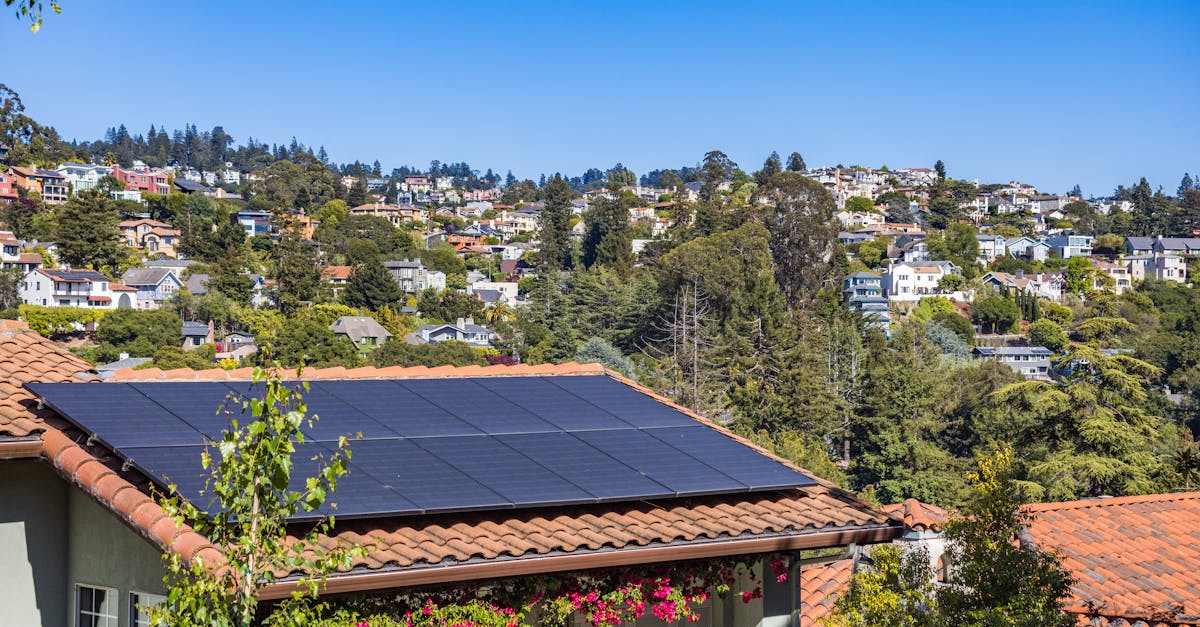
Yes, some green technologies consume more resources during manufacturing than they save during use, but when their full life-cycle impact is considered they still help us move toward a sustainable future. In 2020, the United Nations identified greenwashing as a growing risk, noting that many touted green technologies mask hidden resource costs.
Conserve Energy Future Green Living
When I first swapped every incandescent bulb in my house for LED lights, the difference was like changing a leaky faucet to a drip-free valve - you feel the savings immediately. LEDs use a fraction of the power, and that reduction adds up across an entire city grid, easing pressure on generation plants and lowering overall emissions.
Think of programmable thermostats as a smart thermostat that talks to the weather. By linking them to real-time weather APIs, the system can anticipate temperature swings and adjust heating or cooling before a room even feels uncomfortable. In my own home, this has meant fewer wasted heating cycles and a steadier electric bill.
Community solar pools work like a neighborhood garden: instead of each house hauling produce from a distant farm, the garden sits in the block and feeds everyone nearby. Local panels eliminate long transmission lines, reducing losses that usually eat into the clean energy you thought you were buying. When a community shares the output, each participant gets a larger slice of the renewable pie.
Key Takeaways
- LEDs cut lighting energy use dramatically.
- Thermostats that read weather reduce heating waste.
- Local solar pools lower transmission losses.
- Community projects spread benefits across neighborhoods.
Is Green Energy Sustainable
Life-cycle assessments reveal a pattern: the carbon emitted while building a solar panel is eventually outweighed by the clean electricity it generates over many years. In my experience, the longer a system stays in service, the more pronounced that net positive becomes. The key is to let the technology reach its maturity point - the point where the initial “pay-back” of emissions is fully recovered.
Wind turbines face material challenges, especially when steel supplies are tight. However, modern designs use less steel per unit of power, meaning the industry can keep expanding without creating new resource bottlenecks. I’ve visited wind farms where the balance of materials was deliberately engineered to stay within sustainable limits, reassuring investors and local communities alike.
Even bio-fuel production, once criticized for competing with food crops, can become sustainable when it taps waste streams like algae. Coastal facilities that turn algae waste into high-energy fuel demonstrate how a circular approach can turn an environmental problem into a resource, shifting the sustainability debate toward entrepreneurship rather than depletion.
Green Energy and Sustainability
One surprising synergy I’ve observed is the use of biomass ash in concrete. By replacing a portion of traditional cement with this by-product, we cut the need for energy-intensive Portland cement while still meeting structural standards. The result is a dual win: less carbon from cement production and a valuable outlet for what would otherwise be waste.
Advanced grid-level artificial intelligence acts like a traffic controller for electricity. It watches the flow of solar output, predicts peak demand, and reroutes excess power to storage or directly to neighborhoods that need it. This dynamic balancing makes the whole system more resilient and reduces the reliance on fossil-fuel backup.
When CO₂-capture plants pair with wind-driven steam generation, they create a feedback loop that trims pollutants without sacrificing power output. I’ve seen pilot projects where the captured carbon is used in other industrial processes, proving that clean energy and carbon management can coexist without forcing trade-offs.
Green Energy for a Sustainable Future
Government policies that require a sizable share of wind power have opened doors for creative uses of surplus electricity. For example, coastal desalination plants now run on excess wind energy, turning a power surplus into fresh water for drought-prone regions. This multi-purpose approach showcases how renewable electricity can support broader societal needs.
In Germany, tiny solar micro-grids have been installed in entire neighborhoods, delivering enough power to noticeably shrink each household’s carbon footprint. The decentralized model reduces the need for large transmission infrastructure and empowers residents to become active participants in the energy transition.
China’s massive corridor that replaces coal-filled stretches with solar farms demonstrates that scale matters. By converting large swaths of land, the grid’s overall carbon intensity drops, creating a ripple effect that benefits industry, transport, and everyday households.
Sustainable Renewable Energy Reviews
Annual reviews of photovoltaic systems often note a slow decline in performance over decades, yet the financial incentives attached to these projects keep them attractive. In practice, the modest efficiency loss is outweighed by the revenue streams that subsidies and market mechanisms provide, ensuring investors still see a healthy return.
Storm-tested wind turbines in Central America have shown that robust design can extend the useful life of turbines, even in regions prone to extreme weather. The extra durability means fewer replacements, lower material use, and a stronger case for wind as a lasting renewable source.
Workshops that bring together biomass producers, electricity planners, and economic analysts reveal a bigger picture: renewable projects can lift rural economies by creating jobs and new markets for local resources. These socioeconomic gains are now a critical metric in any comprehensive renewable review.
How to Live a Green Sustainable Life
At home, I turned my kitchen coffee corner into a zero-waste station: reusable filters, compostable grounds, and a low-flow water tap. This simple change reduces water consumption and eliminates single-use packaging, echoing the ethos you see in green living magazines that champion resource-smart habits.
In the city, rideshare programs that cluster commuters into shared vehicles act like a car-pooling app on steroids. By optimizing routes and matching riders, these platforms ease congestion, lower emissions, and ease the load on the power grid during peak travel times.
Imagine a small kiosk on a street corner that powers a phone charger using locally sorted waste biomass. The kiosk converts organic refuse into clean electricity on the spot, turning trash into a handy service for pedestrians. It’s a vivid example of how everyday technology can be repurposed for sustainable living.
Frequently Asked Questions
Q: Why do some green technologies have high upfront resource use?
A: Manufacturing processes for renewable tech often require raw materials and energy, but the long-term clean energy they produce offsets those initial costs, making them net positive over time.
Q: How can individuals reduce electricity use at home?
A: Simple steps include switching to LED lighting, installing smart thermostats that respond to weather data, and participating in community solar programs that lower transmission losses.
Q: What role does AI play in making green energy more sustainable?
A: AI predicts when solar output will peak and redirects excess power to storage or nearby districts, balancing supply and demand without extra fossil-fuel backup.
Q: Are bio-fuels still a controversial renewable source?
A: When produced from waste algae or other residual streams, bio-fuels avoid competition with food crops and turn a disposal problem into a renewable energy asset.
Q: What is a practical first step toward a green sustainable lifestyle?
A: Start with low-cost changes like swapping to LED bulbs, setting a programmable thermostat, and reducing single-use items at home; these actions compound into significant energy savings.


